
Grapefruit: super cleanser for the arteries
- Posted on 03/08/2023 16:17
- Film
- By abelozih@sante-education.tg
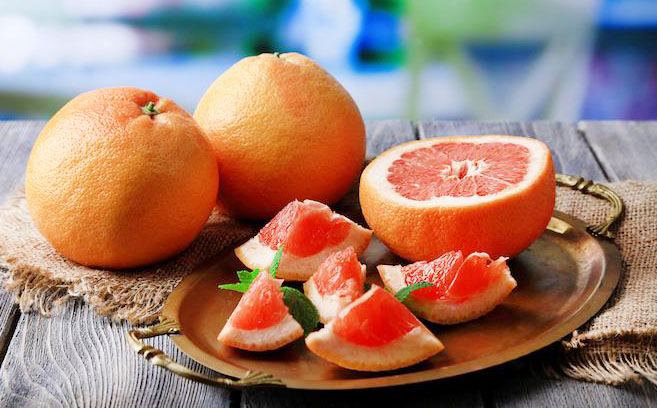
Extract from the article: Grapefruit is a well-known diuretic. Everything about grapefruit is good: the flesh, the peel, the membrane and even the seeds. Grapefruit is packed with phytochemicals that give it antioxidant and anti-inflammatory properties, including flavonoids a
Grapefruit
is a well-known diuretic. Everything about grapefruit is good: the flesh, the
peel, the membrane and even the seeds. Grapefruit is packed with phytochemicals
that give it antioxidant and anti-inflammatory properties, including flavonoids
and limonoids that neutralise the free radicals responsible for premature cell
ageing. These compounds also have the ability to reduce blood cholesterol and
triglyceride levels. They also have beneficial effects against
arteriosclerosis, hyperlipidaemia and cardiovascular risks.
Grapefruit
is rich in vitamin C. It also contains vitamins A, B1, B2, B3, B5, B6, B9, B12
and K. Grapefruit is largely made up of water. It also contains fibre,
carbohydrates, a small amount of protein, simple sugars, trace elements and a very
small amount of fatty acids. Studies have shown that grapefruit is a natural
and particularly effective antioxidant. It contains naringenin, a flavonoid
with antioxidant properties. Naringenin is responsible for grapefruit's bitter
taste.
Combating
atherosclerosis
Atherosclerosis
is a degenerative process that can affect arteries throughout the body.It
begins with the deposition of cholesterol in the deepest layer of the arteries,
known as the intima.The thickening and hardening of the artery walls is
associated with a reduction in the flow of blood through them.Grapefruit helps
dissolve the atheromatous plaque responsible for atherosclerosis.It is
galacturonic acid, contained in the chemical components of grapefruit, that
exerts a particular action on bad cholesterol (LDL), one of the constituent
elements of the plaques that cause hardening of the arteries. This interaction
has the effect of dislodging and flushing out accumulations of cholesterol and
cleaning out the arteries.Drinking around 2 glasses a day of grapefruit juice
improves artery health.This is the conclusion of a French study published in
the American Journal of Clinical Nutrition. Grapefruit juice is beneficial for
keeping arteries supple and of normal thickness.
Lower
cholesterol
The
benefits of grapefruit in the fight against high cholesterol have been
confirmed by Jonathan Goldwasser's team at the Center for Engineering in
Medicine in Boston (Massachusetts).According to their research, naringenin, a
flavonoid and therefore a substance with strong antioxidant properties, is the
source of grapefruit's cholesterol-lowering properties.It is said to lower
cholesterol as effectively as cholestyramine, a drug prescribed to lower blood
cholesterol levels.According to studies on individuals with high blood
cholesterol, daily consumption of 15g of grapefruit pectin over a period of
four months resulted in an average drop of 8%, and in some cases up to 20%, in
their cholesterol levels.
Cardiovascular
health
Studies
on 250 obese or overweight adults have shown that grapefruit is ineffective for
weight loss, but does help to reduce systolic blood pressure.In obese rats, the
naringin contained in grapefruit improved heart and liver function, normalised
blood pressure and reduced lipid levels.French researchers have confirmed the
protective effect of flavonoids, molecules in the polyphenol family, against
cardiovascular disease.Grapefruit can help stabilise blood pressure. It can be
a good natural way of preventing hypertension and managing better blood
circulation. Grapefruit is recommended for people with heart problems,
particularly those suffering from heart failure.People with high blood pressure
should also eat plenty of grapefruit.It has a mild diuretic effect that helps to
relieve congestion in the circulatory system.
Beneficial
for the immune system
Grapefruit
is prized for its high vitamin C content, which has antioxidant properties
known to protect your cells from harmful bacteria and viruses.What's more,
several studies have shown that vitamin C is beneficial in helping people
recover more quickly from colds.Many other vitamins and minerals found in
grapefruit are beneficial for immunity, including vitamin A, which has been
shown to help protect against inflammation and several infectious diseases.
Grapefruit
juice recipe: 1 piece of grated ginger, 2 grapefruits, 1 lemon.Rinse the
grapefruits and lemons, then cut them in half and squeeze out the juice.Blend
the juices with the grated ginger and sugar.Strain and serve.
Beware
of drug interactions
Despite
these benefits, specialists warn of interactions between grapefruit juice and
antihypertensive and immunosuppressive drugs. Numerous studies have shown that
the juice of this citrus fruit greatly increases the absorption of the drug,
which in turn increases the frequency and severity of undesirable effects. It
would appear that the narginine present in grapefruit neutralises an enzyme
that helps to metabolise certain drugs. When a drug is not metabolised quickly,
a greater quantity is absorbed into the body, multiplying its effects.
Nargginine is not found in any other fruit, at least not in the same
proportions. So if you're taking medication, it's best to ask your pharmacist
for advice, or avoid eating grapefruit if in doubt.
Abel
OZIH