
A summit on traditional medicine to « integrate it into health systems ».
- Posted on 23/08/2023 12:59
- Film
- By abelozih@sante-education.tg
Extract from the article: On August 17 and 18, 2023, the World Health Organization (WHO) organized the first high-level global summit on traditional medicine in Gandhinagar, India. The two-day summit assessed non-Western medical and healthcare practices, and looked at ways to
On
August 17 and 18, 2023, the World Health Organization (WHO) organized the first
high-level global summit on traditional medicine in Gandhinagar, India. The
two-day summit assessed non-Western medical and healthcare practices, and
looked at ways to accelerate health for all.
The
initiative aims to examine the knowledge base and opportunities for
accelerating health for all. In particular, it will provide a framework for
examining the role of traditional, complementary and integrative medicine in
addressing urgent health challenges and fostering advances in global health and
sustainable development.
"Traditional
medicine can play an important and catalytic role in achieving the goal of
universal health coverage and global health-related targets that were lagging
even before the disruption caused by the COVID-19 pandemic," said Dr
Tedros Adhanom Ghebreyesus, WHO Director-General.
"Integrating
traditional medicine into health care (appropriately, effectively and, above
all, safely and on the basis of the latest scientific evidence) can help close
the access gap for millions of people around the world," he felt.
WHO
explains that in a context where the use of traditional medicine is growing
worldwide, the safety, efficacy and quality control of traditional products and
procedure-based therapies remain key priorities for health authorities and the
public.The meeting was attended by high-level participants, including the WHO
Director-General and Regional Directors, G20 Health Ministers and high-level
guests from countries in the six WHO Regions.Scientists, traditional medicine
practitioners, health workers and members of civil society organizations also
took part. This is the first in a series
of WHO Global Summits on Traditional Medicine, to be held every two years in
different WHO Regions.
The
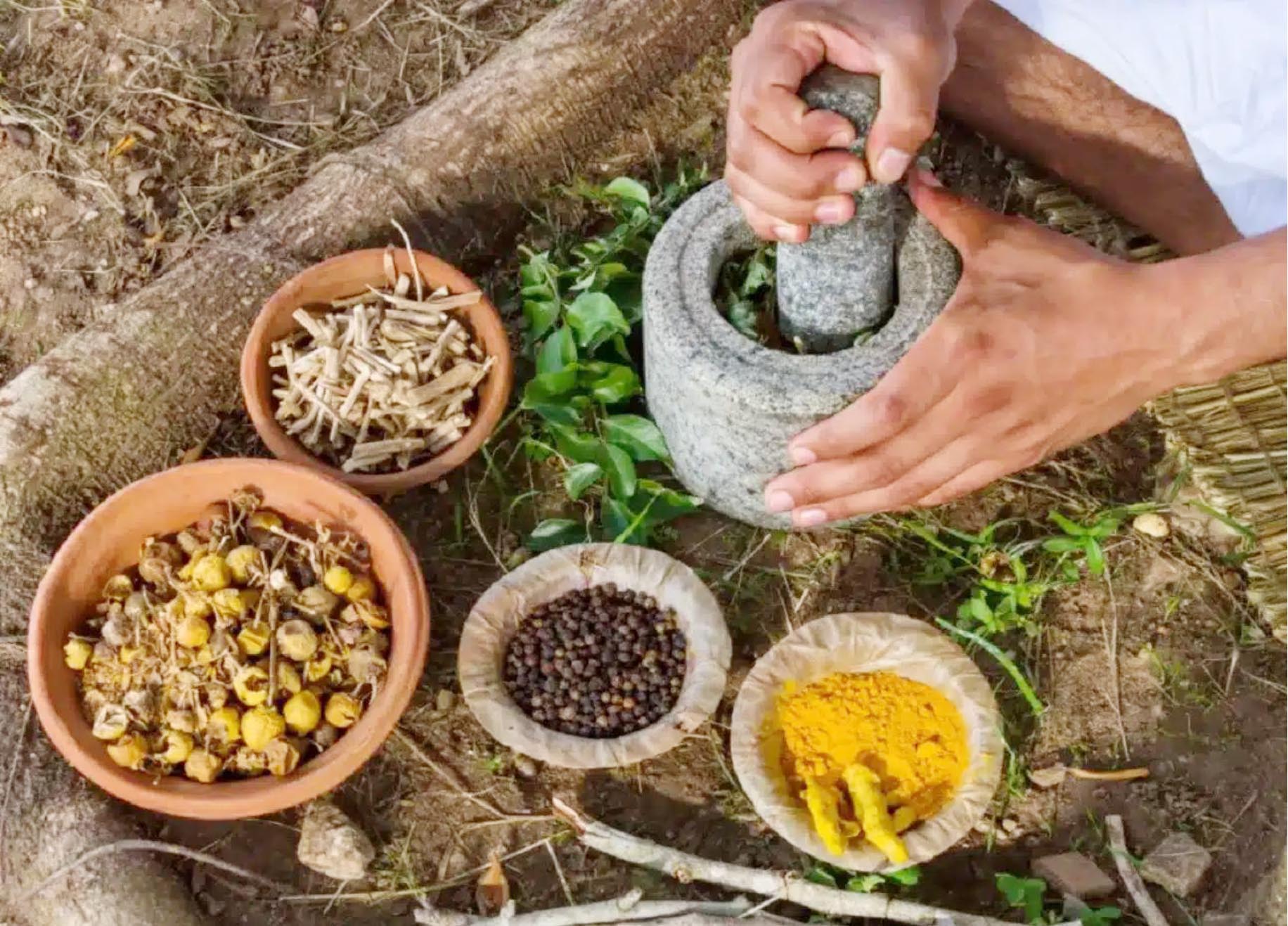
importance of traditional medicineAccording to the WHO, the term "traditional
medicine" describes the sum total of knowledge, skills and practices that
indigenous and other cultures have used over time to preserve health and
prevent, diagnose and treat physical and mental illness. Traditional medicine
encompasses ancient practices such as acupuncture, Ayurvedic medicine and
herbal mixtures, as well as modern medicines.
Today,
traditional medicine has become a global phenomenon, with ever-increasing
demand, and patients wishing to take greater control of their health and
well-being, while seeking more compassionate and personalized healthcare.For
millions of people, particularly those living in remote and rural areas,
traditional medicine remains the first point of contact for health and
well-being, offering care that is culturally acceptable, available and
affordable, explains the WHO.
The
organization estimates that around 80% of the world's population uses
traditional medicine. To date, 170 of WHO's 194 Member States report using
traditional medicine, and their governments have requested WHO's help in
building up a body of reliable evidence and data on traditional medicine
practices and products. Togo,
Some
40% of authorized pharmaceutical products in use today are derived from natural
substances, underlining the vital importance of biodiversity conservation and
sustainability.
Elom
AKAKPO