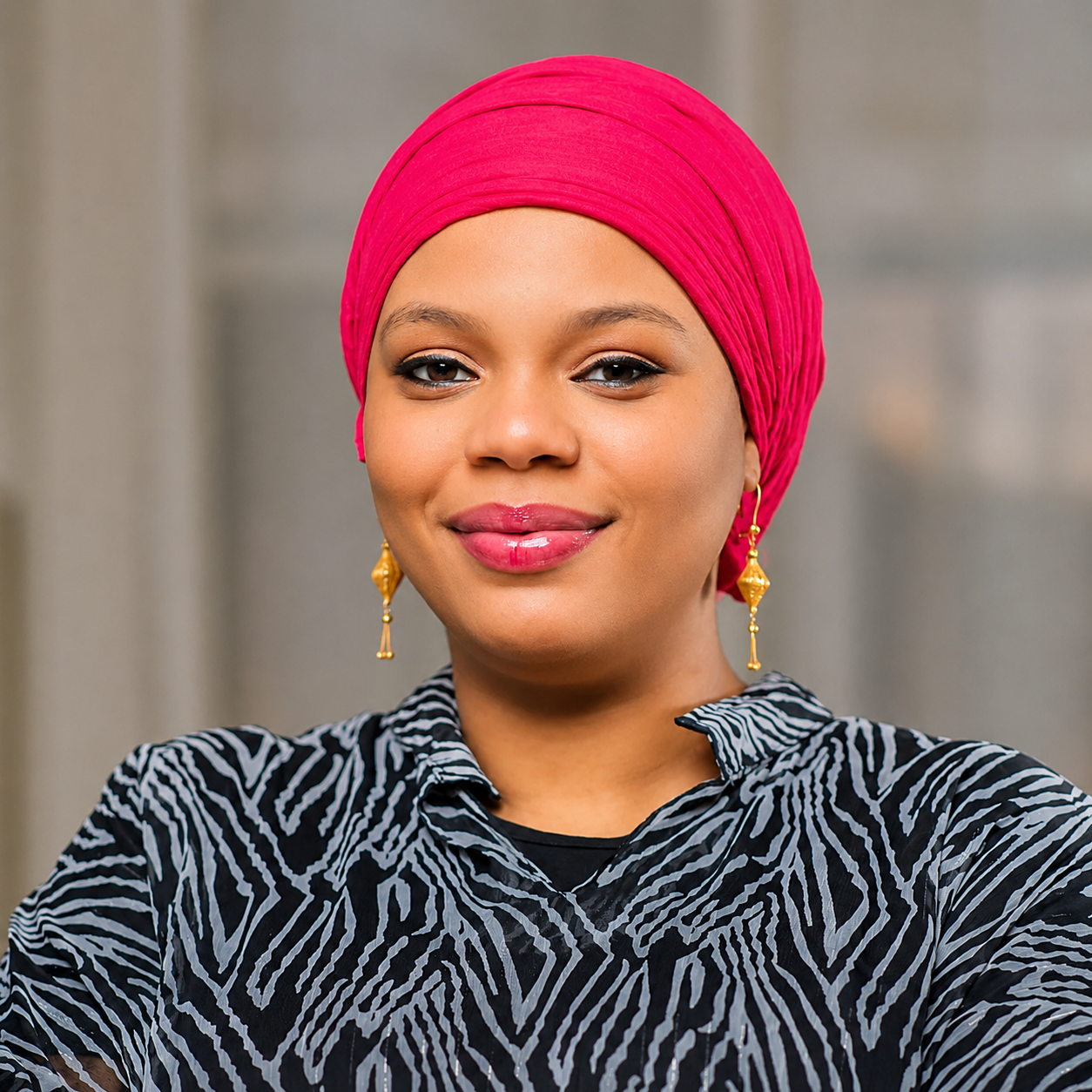

Lack of nutritional monitoring in hospitals: Interview with Yasmine Zerbo, Nutritionist Dietician
- Posted on 02/10/2023 17:40
- Film
- By abelozih@sante-education.tg
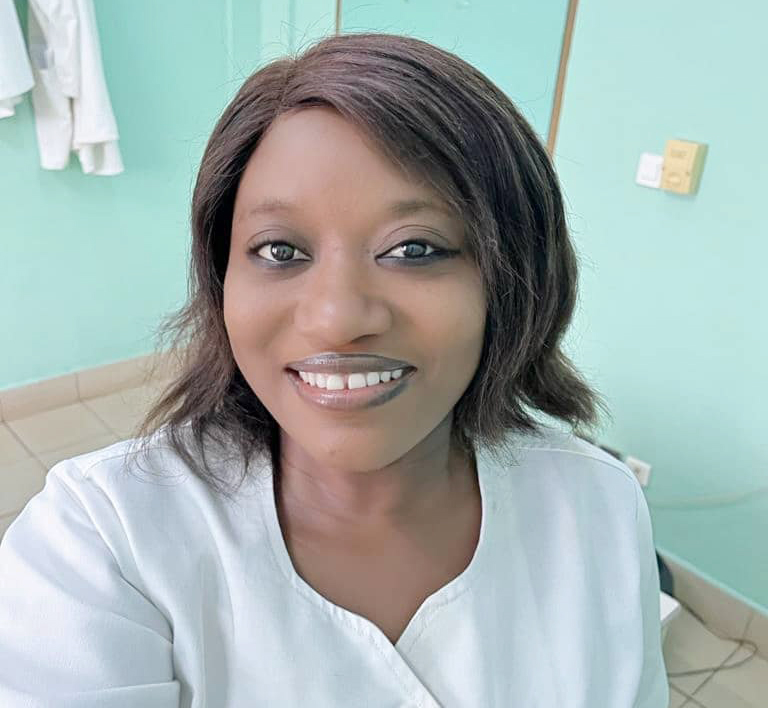
Extract from the article: Undernutrition is very common among hospital patients. Its prevalence and consequences are underestimated. Undernutrition is in fact an independent factor in morbidity and mortality, and is responsible for significant additional hospital costs. Yasm
« In many African countries, there is a
serious problem with dietetics. Two out of every four patients admitted to
hospital suffer from malnutrition. Most of them die for lack of nutritional
follow-up »
Undernutrition
is very common among hospital patients. Its prevalence and consequences are
underestimated. Undernutrition is in fact an independent factor in morbidity
and mortality, and is responsible for significant additional hospital
costs. Yasmine Zerbo, a nutritionist and
dietician specialising in the nutritional management of chronic diseases such
as hypertension, obesity, diabetes and cancer, stresses that nutritional status
is an essential component of the health and well-being of hospitalised
patients. In this interview, the specialist appeals to the African authorities
to save hospitalised patients from the lack of nutritional monitoring due to
the lack of dieticians.
Santé-Education:
What's the difference between dietetics and nutrition?
Yasmine
Zerbo: Nutrition is a vast field.There is human, community and
clinical nutrition.Dietetics is clinical nutrition. Nutritionists carry out
in-depth studies of foods.Dieticians are the only health professionals capable
of working in hospitals, because their training is purely clinical.It is the
dietician who uses the food composition table to calculate the nutritional
value of foods and menus. It is the dietician who uses food to compose a menu
for all people, healthy or ill.It is the dietician who monitors people who are
ill, diabetics, hypertensives, haemodialysis patients and cancer patients. They
also provide nutritional education for healthy people such as children,
adolescents, adults, the elderly, pregnant women and breastfeeding mothers.
Is
the dietician an indispensable professional in the hospital environment?
Absolutely.
But unfortunately dietetics is not well known in many African countries because
dieticians are not to be found in hospitals.Yet dieticians are essential in
hospitals to combat malnutrition.The ministries responsible for health need to
become aware of the problem of malnutrition in hospitals.Many patients die for
lack of nutritional support.It's true that drug treatment plays a major role, but
diet also plays an important role.
What
is hospital undernutrition?
Hospital
nutrition involves assessing the nutritional status of each patient, devising
diets, helping the kitchen to devise menus to suit the patient's pathology, and
ensuring that the kitchen follows the correct dosage.It is the dietician who
then administers the food to the patients.
But
in some hospitals, such as intensive care units, there is a serious dietary
problem, with patients suffering from malnutrition.In Burkina Faso, for
example, at the Yalgado University Hospital, as a specialist in enteral and
parenteral nutrition, I proposed a local product for which I highlighted the
microbiological value, the physicochemical value and the nutritional value.I'm
in the process of obtaining my diploma so that I can help patients.The
dietician is essential in a hospital setting, especially in intensive care, to
help with the renutrition of patients in bed.
As
an experienced dietician, why don't you draw the authorities' attention to the
shortage of dieticians in our hospitals?
So
far, some states are not thinking of recruiting dieticians.I don't know whether
this is due to negligence, but I'm hopeful that it will happen. Unfortunately,
we focus on the community and forget about the hospital or clinic.It's true,
it's good to help with community problems.But let's not forget that hospital
patients also need nutritional follow-up.
Frankly, it's a cry from the heart that I'm launching to governments, to the ministries in charge of health, to think about it, to save the hospital structures in Africa. Two out of every four patients admitted to hospital suffer from malnutrition. Most of them die for lack of nutritional follow-up.Drug treatment isn't enough, you still need nutritional monitoring.
When
we say diet, people think of diets to lose weight. What do you think about
that?
Everyone
needs a specific diet adapted to their pathology, adapted to their choices,
adapted to their preferences based on local produce, whether they are healthy
(children, adults, teenagers, the elderly, pregnant women, breast-feeding
mothers) or ill.The most important thing to remember is to eat locally.Let's
consume what we have, let's consume organically to avoid chronic diseases and
live a long life.
Interview
by Abel OZIH