
Eating well from the age of 60
- Posted on 31/10/2023 16:07
- Film
- By abelozih@sante-education.tg
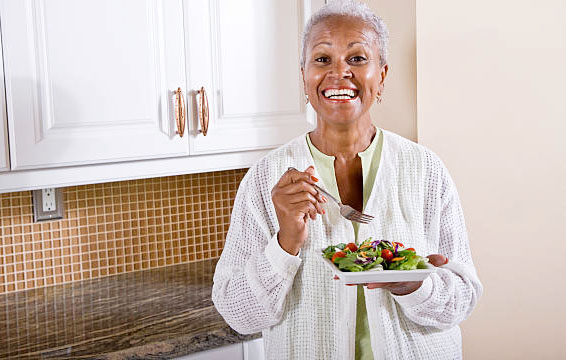
Extract from the article: From the age of 60, you need to adapt your diet and take care not to eat too much of certain foods.
From
the age of 60, you need to adapt your diet and take care not to eat too much of
certain foods.
From
the age of 60, the risk of developing certain diseases such as cardiovascular
disease, diabetes and joint disease increases. A healthy lifestyle, a
healthy, balanced diet and regular exercise are essential if we are to stay in
shape. Menopausal women need to adapt their diet from the age of 60, and men
from the age of 65. Our metabolism slows down, which means we need less energy,
and therefore fewer calories. But the need for nutrients such as calcium, zinc
and minerals is maintained.
Needs
change with age
People
who eat a balanced diet do not need to make drastic changes to their menus.
However, it is important to remember that requirements change slightly.Protein
requirements increase slightly as a result of age-related loss of muscle
mass.For an adult, they are 0.8g per kilo of body weight per day, rising to 1g
per kilo of body weight after the age of 60. It therefore recommends eating
animal proteins, particularly lean meats such as turkey, rabbit and poultry, as
well as eggs and dairy products, to counter the risk of osteoporosis.
Micronutrient and macronutrient intakes remain the same and the body still needs energy. So we need to eat cereal products every day, preferably wholemeal or semi-complete, fruit and vegetables rich in antioxidants, good fats rich in omega-3 (soya, peanut and walnut oils), not forgetting oily fish, which helps to combat cognitive decline and is also good for eye health. Of course, a healthy diet also helps to reduce the risk of cardiovascular disease.
Limiting
these foods
From
the age of 60, certain foods should be eaten in moderation. White sugar should never be consumed in
excess. With age, tissues can become resistant to the action of insulin. So be
careful not to ask too much of your pancreas. Avoid alcohol consumption. You
should also be careful not to consume too much harmful fat: saturated fats
found in red meat, cheese, hard margarine, fried foods, etc. Finally, you
need to be vigilant about hygiene and food preservation methods.Elderly people
are more vulnerable to the bacteria responsible for food-borne infections and
more exposed to the risk of after-effects.
William
O.