
2025 annual review of the HIV response: Gains to be preserved amid declining resources
- Posted on 05/08/2026 18:17
- Film
- By abelozih@sante-education.tg
Extract from the article: Togo recorded further progress in the fight against HIV/AIDS in 2025, with the national prevalence estimated at 1.6%, a 70% reduction in new infections between 2010 and 2025, and a 73% decline in AIDS-related deaths. These results were presented duri
Togo
recorded further progress in the fight against HIV/AIDS in 2025, with the
national prevalence estimated at 1.6%, a 70% reduction in new infections
between 2010 and 2025, and a 73% decline in AIDS-related deaths. These results
were presented during the annual review of the national HIV response, held on 4
and 5 August in Lomé by the Permanent Secretariat of the National Council for
the Fight against AIDS and Sexually Transmitted Infections (SP/CNLS-IST), in a
context marked by declining international funding.
Held
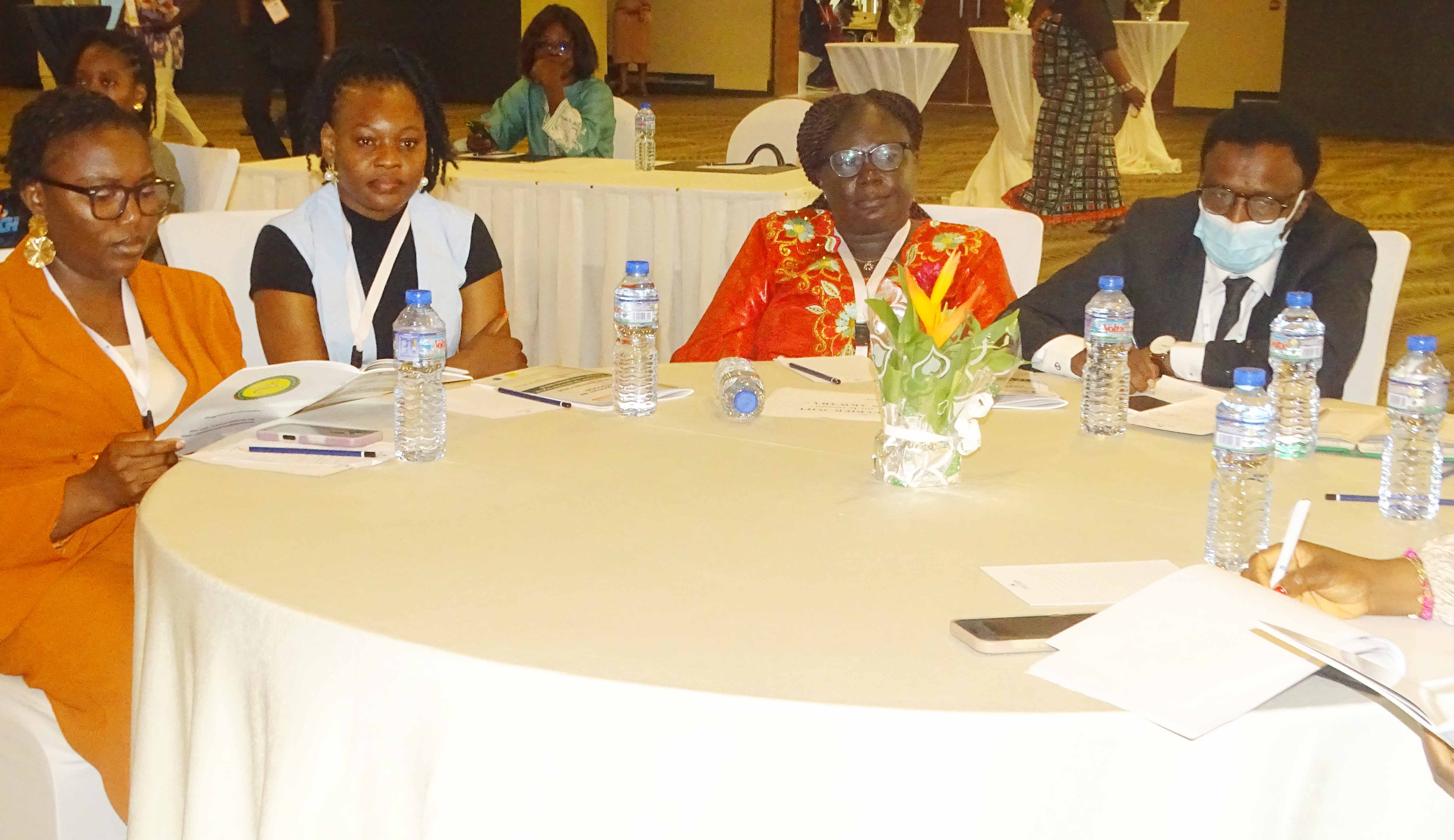
under the theme « Reduced funding and programme sustainability: what
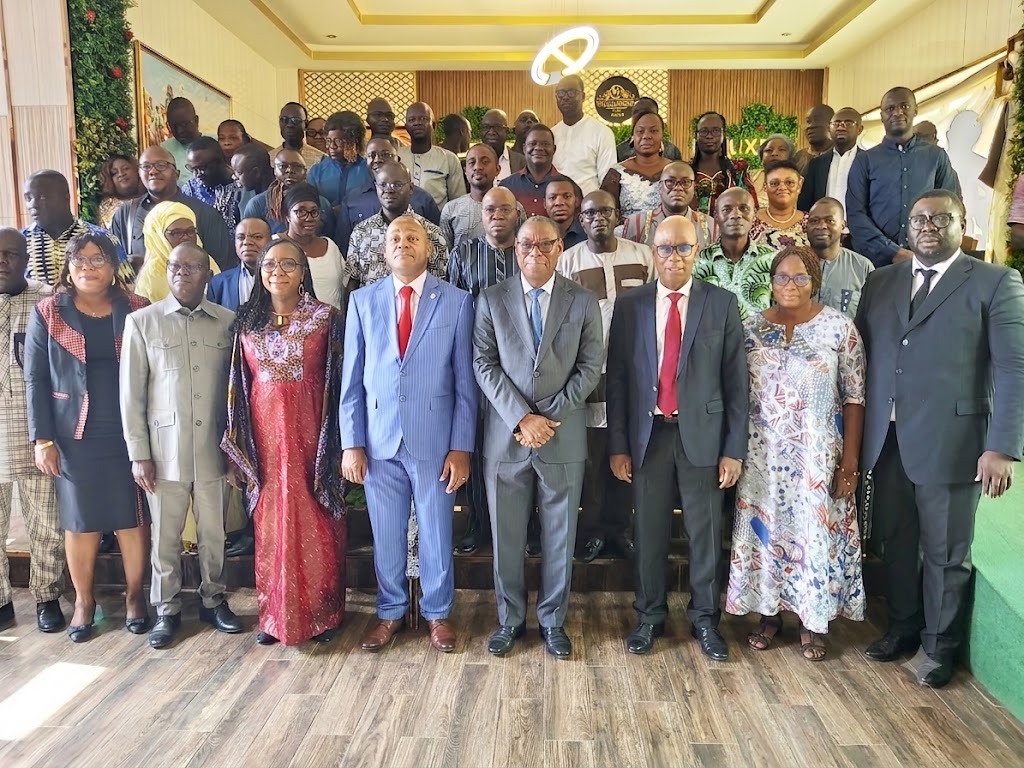
are the challenges? », the meeting brought together government and
health authorities, technical and financial partners, civil society
organisations, community representatives, the private sector and the media to
assess the performance of the HIV response and identify strategies to preserve
the achievements made.
Encouraging
results
Data
from the 2025 annual report show that the number of new HIV infections dropped
from 7,100 in 2010 to 2,100 in 2025, representing a 70% decrease, while
AIDS-related deaths declined by 73% over the same period.
In
terms of prevention, 2,367,586 people were reached through behaviour change
awareness campaigns. The same number of people also benefited from awareness
activities on gender-based violence. Overall, 26,318,206 condoms were
distributed and 650,142 people underwent HIV testing.
Regarding
the prevention of mother-to-child transmission, 279,080 pregnant women,
representing 89.44% of the expected target, were tested for HIV. In addition,
3,096 newborns born to mothers living with HIV received antiretroviral
prophylaxis. The HIV positivity rate among infants at six weeks stands at
1.17%, while the mother-to-child transmission rate is estimated at 11.3% at 18
months.
Effective
care and support
In
2025, 95,185 people living with HIV were receiving care in health facilities
out of an estimated national total of 100,000 people. Among them, 95,038 were
on antiretroviral treatment, representing a national treatment linkage rate of
99.85%.
Human
rights actions also continued, with 107 monitoring units operational across the
country. These mechanisms provided legal assistance to 165 victims of stigma,
discrimination or violence.
The
funding challenge
Expenditure
on the HIV response reached CFAF 19.37 billion in 2025. Technical and financial
partners contributed 86.44% of this funding, compared with 13.52% from domestic
resources, highlighting the programme’s strong dependence on external
financing.
Officially
opening the proceedings, the Secretary General of the Ministry of Health,
Public Hygiene, Universal Health Coverage and Insurance, Dr Wotobe Kokou,
commended the coordination work carried out by the SP/CNLS-IST and recalled
that this review is an essential exercise in accountability, performance
analysis and strategic guidance. He urged all participants to make relevant
recommendations aimed at consolidating achievements and ensuring the
sustainability of HIV control programmes.
The
National Coordinator of SP/CNLS-IST, Professor Pitche Palokinam Vincent,
stressed that Togo continues to move towards epidemic control thanks to the
joint efforts of the Government, technical and financial partners, civil
society and communities. While acknowledging the progress made, he noted that
preventing mother-to-child transmission of HIV, prevention among adolescents
and the mobilisation of domestic resources remain key priorities.
The
UNAIDS Country Director, Dr Christian Mouala, congratulated Togo on the
progress achieved in recent years and reaffirmed UNAIDS’ commitment to
supporting the country’s efforts to accelerate progress towards global HIV
targets, despite an international environment marked by reduced funding.
At
the end of the two-day meeting, participants will adopt recommendations aimed
at strengthening domestic financing mechanisms, promoting innovative solutions
and ensuring the sustainability of the national HIV response in the face of
declining international support.
William O. (Source: cnlstogo.org)